Buying a classic Italian car
Inspection checklist: record the car before falling for its story
A careful first viewing can reveal contradictions and define the work for a specialist. It cannot certify identity, prove hidden structure sound or replace a model-specific pre-purchase inspection on a lift.
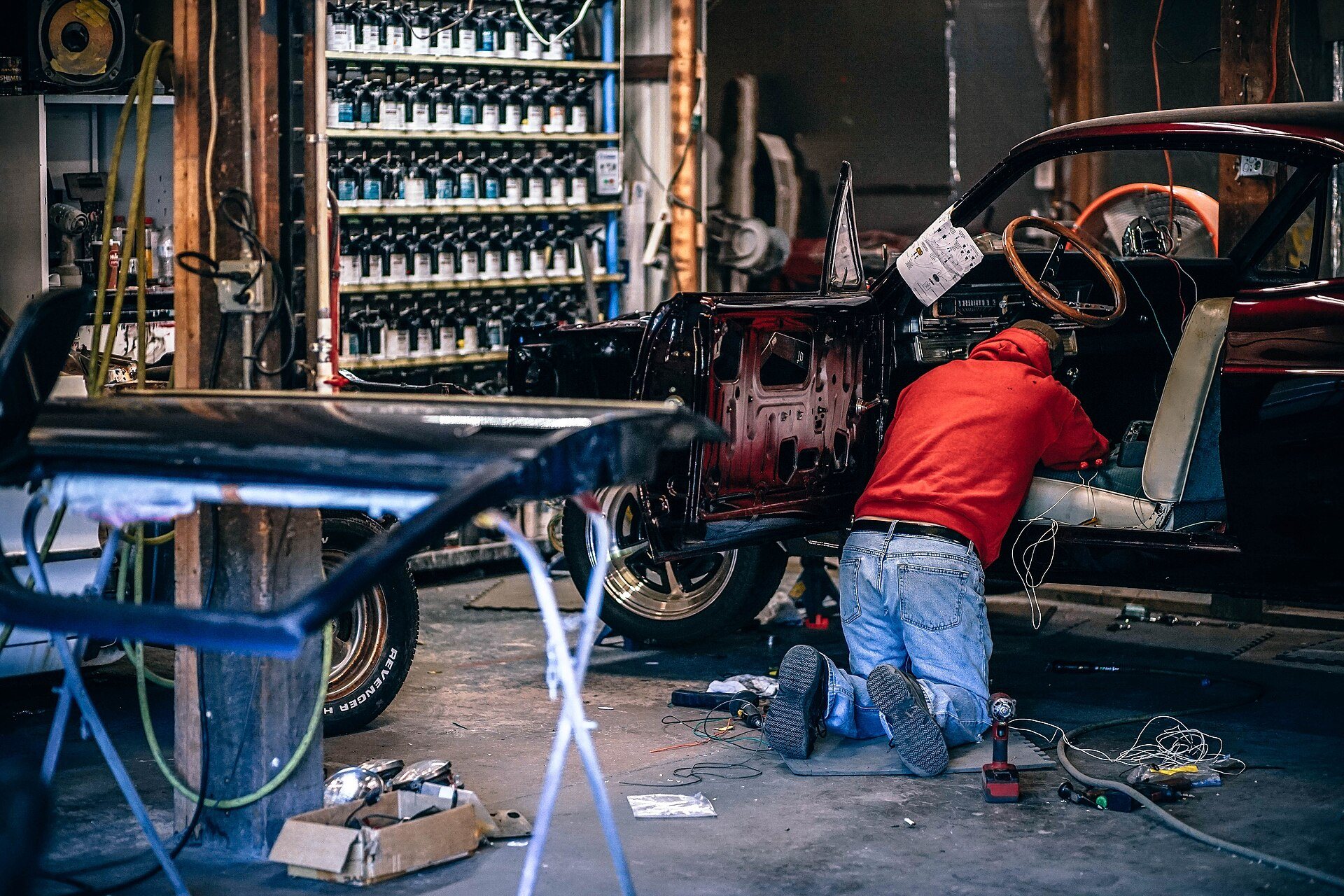
Italian classics span simple Fiats, coachbuilt grand tourers and complex youngtimers, so no universal list contains every model's weakness. This checklist is a disciplined first pass: establish what the car claims to be, document what you can see, and turn unanswered questions into a brief for an independent marque specialist.
Arrange a dry, well-lit viewing with enough time and access. Ask the seller not to start or move the car beforehand. Get permission before touching trim, lifting carpets, applying any instrument or driving. Never crawl under a car supported only by a jack.
Printable first-viewing checklist
Tick only what you have personally confirmed and write a note beside every exception. This one-page prompt prepares the brief; it does not replace a lift inspection by an independent marque specialist.
- Seller agreed to a cold start and unhurried viewing.
- Chassis or VIN matches registration and supporting records.
- Title, lien, import and local inspection checks completed.
- Dated service, mileage and restoration chronology reviewed.
- Factory or marque evidence checked for claims that affect value.
- Panel gaps, paint, glass, seals and repair clues recorded.
- Sills, floors, jacking points, mounts and known corrosion zones reviewed.
- Cabin, belts, locks, lights, instruments and ventilation tested.
- Damp, blocked-drain clues and non-original wiring recorded.
- Cold-start behaviour, warning lamps, gauges and exhaust observed.
- Visible fluids, leaks, hoses and stated maintenance dates noted.
- Tyre sizes, condition and four-digit date codes recorded.
- Steering, suspension, wheels and brakes included in specialist brief.
- Authorised road test completed cold-to-warm, including reverse.
- Every seller claim separated from confirmed evidence in writing.
- Independent lift inspection booked or completed before commitment.
- Report split into required now, likely later and monitor.
- Current local quotations obtained for priority work.
1. Identity, title and history
Compare the chassis or vehicle identification number visible on the car with registration documents and invoices. The location, format and type of stamping vary by model and year, so use authoritative model information. Record anomalies such as damaged plates, fresh paint around stampings, inconsistent fonts or unexplained replacement identities and refer them to an expert. Do not alter, clean or expose a number yourself.
Trace dated distance entries through service records, inspection histories and invoices without assuming an old odometer has never rolled over or been replaced. The UK MOT history service can add a chronology; other countries have their own systems. Verify ownership, liens, import status and roadworthiness locally.
A marque heritage certificate may answer factory-history questions, but its scope matters. A certificate of origin is not automatically a title check, current-condition report or proof of every “matching numbers” claim. Ask exactly what the issuing body examined.
2. Body, paint and corrosion
Walk around the car at a shallow angle and compare reflections, colour and panel gaps. Look for overspray, masking edges, disturbed fasteners, cracked filler and seals trapped under paint. Repairs are not automatically disqualifying; undocumented poor repairs and active corrosion are the concern. Photograph findings rather than declaring the cause at the kerbside.
Common zones include sills, floors, jacking points, suspension mounts, arches, screen surrounds, drains and the spare-wheel well. Their importance is model-specific. A glossy exterior can hide compromised closed sections, so a lift and specialist body assessment remain essential.
A magnet is unsuitable for aluminium, composite and some repaired areas and can damage paint. Paint-depth instruments must also be appropriate to the substrate and interpreted by someone who understands the model's original construction. Coachbuilt cars may show legitimate hand-finishing or previous restoration. Treat readings as evidence to investigate, not an automatic verdict.
3. Cabin, controls and water entry
Check that seats, belts, locks, windows, instruments, lights, wipers, washers, heating and ventilation operate as intended. Compare trim and switchgear with period references if originality affects the purchase. Inspect carpets and luggage areas for dampness, staining, mould and blocked-drain clues. Water can travel far from its entry point, so a wet floor does not by itself locate the leak.
Record wiring additions, non-original switches, alarms and battery cut-offs. Untidy modifications deserve inspection even if they work during the viewing. Do not expose or test circuits without consent and expertise.
4. Cold engine and fluids
Before the first start, confirm that the engine is genuinely cold by observing accessible surfaces safely; never touch hot or moving parts. Note fluid levels and visible leaks without opening a hot cooling system. Oil appearance alone cannot prove internal condition, and residue around a cap is not a standalone diagnosis. Record what you see and ask when fluids were last changed and to which specification.
Watch the complete dashboard lamp check, then observe starting time, idle, instruments, exhaust appearance and unusual noise from a safe position. Some older cars require a documented starting technique, but persistent smoke, warning lamps, overheating or loss of oil pressure needs professional investigation. Compression, leak-down, cooling-pressure and fuel-system tests belong with a qualified specialist using model-appropriate procedures.
5. Chassis, brakes, tyres and steering
From ground level, look for uneven ride height, damaged wheels, perished accessible bushes, fluid leaks and mismatched tyres. Read each tyre's size, specification and manufacturing date. On modern date coding, the last four digits normally identify production week and year; use the tyre maker's guidance because older codes differ. Tread depth is only one factor—cracking, damage, storage history and age also matter.
A specialist lift inspection should assess structure, brake pipes and hoses, discs, drums where fitted, friction material, wheel bearings, steering, suspension joints, dampers, exhaust, fuel lines and underbody repairs. Some wear cannot be judged from appearance. Ask for measured or clearly described evidence and separate safety defects from future advisories.
6. Road test, only when authorised
Drive only with the owner's permission, valid insurance, legal registration and safe road conditions. Begin gently. Observe clutch take-up, selection of every ratio, steering self-centering, braking stability, temperature, instruments and noises over varied surfaces. Test reverse and low-speed manoeuvring, then repeat key observations when fully warm. A short passenger ride is not equivalent to an independent test.
Do not attempt maximum acceleration, emergency manoeuvres or repeated hard braking to expose a fault. Stop safely if oil pressure, temperature, braking, steering or a serious warning gives concern. The purpose is reproducibility and safety, not proving performance.
Turn observations into an inspection brief
| Area | Record at the viewing | Independent follow-up |
|---|---|---|
| Identity and provenance | Numbers, documents, chronology and unexplained differences. | Legal-history check and appropriate factory, registry or club research. |
| Body and structure | Visible corrosion, repair clues, gaps, paint and water entry. | Lift and body-material-aware inspection; measurements where justified. |
| Mechanical condition | Cold start, leaks, instruments, drive behaviour and service evidence. | Model-specific tests selected by the inspecting specialist. |
| Safety equipment | Tyre data, lights, belts, steering and brake observations. | Roadworthiness assessment under the rules of the car's location. |
| Decision | Confirmed facts, seller claims and unanswered questions kept separate. | Written priorities and local quotations before commitment. |
Choose an inspector who knows the exact model and is independent of the sale. Supply your photographs and questions, but allow the specialist to expand the scope. The written report should identify what could not be inspected, distinguish a confirmed defect from a suspicion, and prioritise safety, preservation and cosmetic work separately.
Reconcile the report with your intended use and access to expertise. A documented restoration and a highly original preservation candidate suit different buyers. Missing identity evidence, unsafe structure or refusal of an independent inspection are reasons to pause. Enthusiasm works best after the facts are written down.
Sources
- Hagerty, how to inspect a classic car — general first-viewing and condition guidance. Accessed 2026-08-19.
- UK government MOT history service — official UK inspection-history lookup. Accessed 2026-08-19.
- NHTSA tyre safety guidance — US safety information on tyre condition and date coding. Accessed 2026-08-19.
- Stellantis Heritage Alfa Romeo certificate of origin — scope of one factory-origin document. Accessed 2026-08-19.
- Automotoclub Storico Italiano technical commission — Italian historic-vehicle technical and certification context. Accessed 2026-08-19.
- Automobile Club d'Italia chronological certificate verification — official route for checking the authenticity of an already-issued chronological certificate. Accessed 2026-08-19.
- Ferrari Classiche certification — factory explanation of its authenticity process. Accessed 2026-08-19.
- Lamborghini Polo Storico authenticity certification — factory heritage-certification context. Accessed 2026-08-19.
- Maserati Classiche certification example — factory account of model and component research. Accessed 2026-08-19.
Legal, registration and roadworthiness requirements vary by jurisdiction. Use the authorities and qualified specialists relevant to the car's present location.