Buyer’s guide
Lamborghini Gallardo buyer’s guide: 2003–2013
This guide covers the complete 2003–2013 Lamborghini Gallardo generation: the original 5.0-litre cars, the later 5.2-litre LP family, coupés, Spyders, manuals, E-gear cars and the principal factory performance variants.
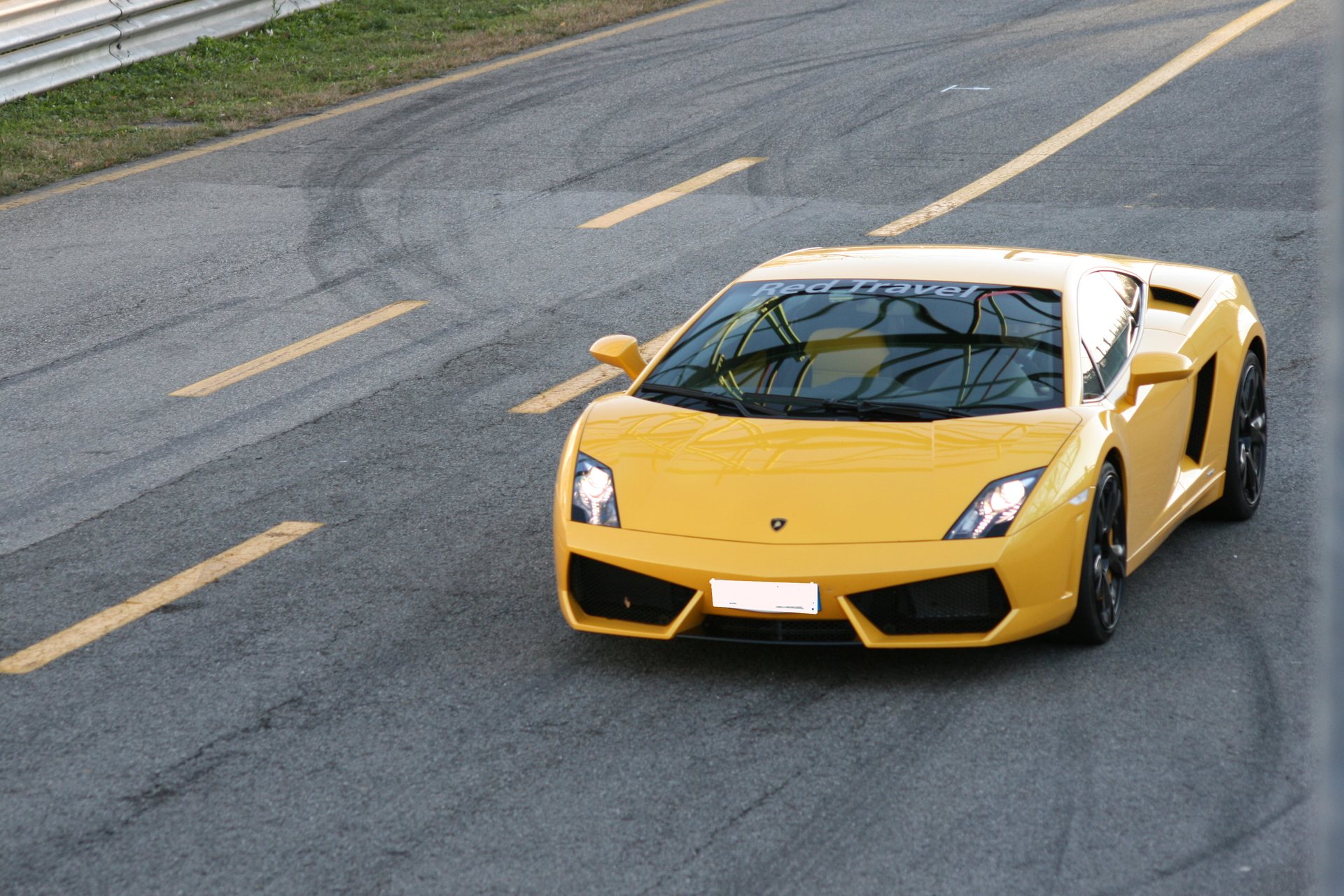

The Gallardo was the smaller Lamborghini that became a large part of the company’s output. Lamborghini records a 2003 debut, a ten-year production life and 14,022 examples sold across 45 countries. Its first version combined an aluminium structure with a naturally aspirated 5.0-litre V10 rated by the factory at 500 HP. Buyers could choose a six-speed manual or the paddle-operated E-gear automated manual.
Those headline facts do not make every Gallardo interchangeable. The Spyder, power increases, rear-wheel-drive derivatives and lightweight editions arrived at different points, while the 2008 LP560-4 was a substantial mechanical and visual revision rather than a badge change. Establishing the exact version, market and original specification is the first stage of any sensible purchase.
Gallardo versions at a glance
| Version | Approximate introduction | Factory outline |
|---|---|---|
| Gallardo coupé | 2003 | 5.0-litre V10, 500 HP, four-wheel drive; six-speed manual or E-gear |
| Gallardo Spyder | 2006 model era | Open body and the developed 5.0-litre specification, commonly quoted at 520 PS |
| Superleggera | 2007 | Lower-mass, sharper 5.0-litre coupé with model-specific equipment |
| LP560-4 | 2008 | 5.2-litre V10, 560 PS, revised styling and developed E-gear; four-wheel drive |
| LP550-2 | 2009 onward | 550 PS and rear-wheel drive; includes the Valentino Balboni edition |
| LP570-4 family | 2010 onward | 570 PS performance cars including Superleggera and Spyder Performante |
The table is a map, not an authentication tool. Limited editions and regional configurations can add meaningful differences in brakes, seats, suspension, exterior panels and equipment. Ask for a build record and compare identifiers, option codes and physical specification. A car made to resemble a rarer version should be valued and inspected as the car its chassis number identifies.
Manual or E-gear?
Both transmissions use a clutch, but they deliver a very different ownership proposition. The gated manual gives the driver direct control through a conventional lever. E-gear is a single-clutch automated manual: hydraulic and electronic systems operate clutch engagement and selection, so it should not be judged like a torque-converter automatic or a later dual-clutch gearbox.
Clutch condition cannot be inferred from mileage alone. Urban creeping, repeated launches, calibration and driving technique all matter. A Lamborghini-capable diagnostic system can report clutch-related data on an E-gear car, and Ross-Tech documents the Gallardo transmission controller’s measuring blocks and basic settings. The useful purchase evidence is a specialist’s dated diagnostic report interpreted alongside shift quality and invoices—not a seller’s percentage quoted without context. A manual still needs checks for clutch slip, clean engagement and synchroniser behaviour.
What a pre-purchase inspection should cover
Cold start, engine and cooling
Arrange to see the car genuinely cold. A specialist should listen through start-up, verify stable running, inspect for fluid leaks and assess the cooling system through a complete heat cycle. A warning lamp that is absent after codes were recently cleared proves little, so request a scan of all relevant modules and retain the report. Modified exhaust or engine software deserves documentation and a check that the installation remains legal in the car’s jurisdiction.
Transmission and driveline
On E-gear cars, require the diagnostic assessment described above and test low-speed take-up, forward and reverse engagement, and warm shifting. On manuals, look for consistent pedal action and clean changes in every ratio. Four-wheel-drive cars should run on correctly specified, closely matched tyres; unexplained differences in size or rolling circumference warrant specialist attention. Any clonk, vibration or fluid seepage should be traced before purchase rather than dismissed as character.
Brakes, tyres and suspension
Brake specification varies, especially on later and special cars. Record disc type and condition, pad life and any warning messages. Check tyre dates, specification and wear across the full tread, then relate uneven wear to alignment or suspension condition. Inspect dampers, bushes, joints and any nose-lift equipment fitted. Track use is not automatically disqualifying, but heat-affected brakes, damaged undertrays and heavily worn tyres must agree with the history and asking description.
Body, underbody and cabin
The low nose and flat underside make an examination on a lift important. Look for scraped or missing undertrays, damaged mounting points, fluid staining and evidence of poor accident repair. Measure paint where appropriate and check panel fit, glass dates and lamp condition. In the cabin, test every switch, display, seat function, air-conditioning control and roof operation on a Spyder. Sticky or damaged trim can be more than cosmetic when model-specific pieces are difficult to source.
History matters more than an isolated mileage figure
A coherent file should show servicing by people familiar with the model, not merely a stamped booklet. Match invoices to the chassis number and mileage progression; look for evidence covering fluids, plugs, belts or other scheduled items appropriate to that exact version, plus brakes, tyres and transmission work. Verify outstanding recalls or campaigns with an authorised Lamborghini representative in the vehicle’s market.
Low use can bring its own questions about batteries, aged tyres, seals and long storage. Conversely, a regularly used car with transparent care may be easier to evaluate than one whose low odometer reading dominates the advertisement. Commission an independent history check and inspect ownership, finance, theft and damage records where those services are available.
Which Gallardo should you choose?
The early 5.0-litre coupé is the original proposition, and a gated manual is mechanically and experientially distinct from E-gear. The LP560-4 brought the 5.2-litre engine, revised design and a developed E-gear calibration. LP550-2 cars trade four-wheel drive for rear-wheel drive, while the Superleggera and related LP570-4 derivatives prioritise lower mass and a more focused specification.
There is no universally “best” Gallardo. Decide first whether you want coupé or Spyder, manual involvement or paddle convenience, and regular-road comfort or a lightweight derivative. Then buy on identity, condition and evidence. Rarity cannot compensate for an uncertain chassis, an undocumented clutch or an inspection that was skipped.
Use our classic Italian car inspection checklist to organise the viewing, but appoint a Lamborghini specialist for the diagnostic and lift inspection. This page is a research guide, not a substitute for model-specific professional advice.
Sources and further reading
- Lamborghini, “Celebrating the Lamborghini Gallardo” — production dates, total and original specification.
- Lamborghini, Gallardo LP560-4 history.
- Lamborghini, Gallardo LP550-2 Valentino Balboni history.
- Lamborghini, Gallardo LP570-4 Superleggera history.
- Octane, Lamborghini Gallardo buying guide — independent model and inspection context.
- Ross-Tech, Gallardo transmission electronics — diagnostic-system reference.
Sources accessed 19 August 2026. Factory outputs use the units stated by their sources; equipment and homologation differ by year and market.