Buyer’s guide
Maserati GranTurismo M145 buyer’s guide: 2007–2019
This guide covers only the first-generation Maserati GranTurismo coupé, commonly identified by the M145 code and produced from 2007 to 2019. It separates the 4.2- and 4.7-litre cars, conventional ZF automatics and rear-transaxle MC-Shift versions.
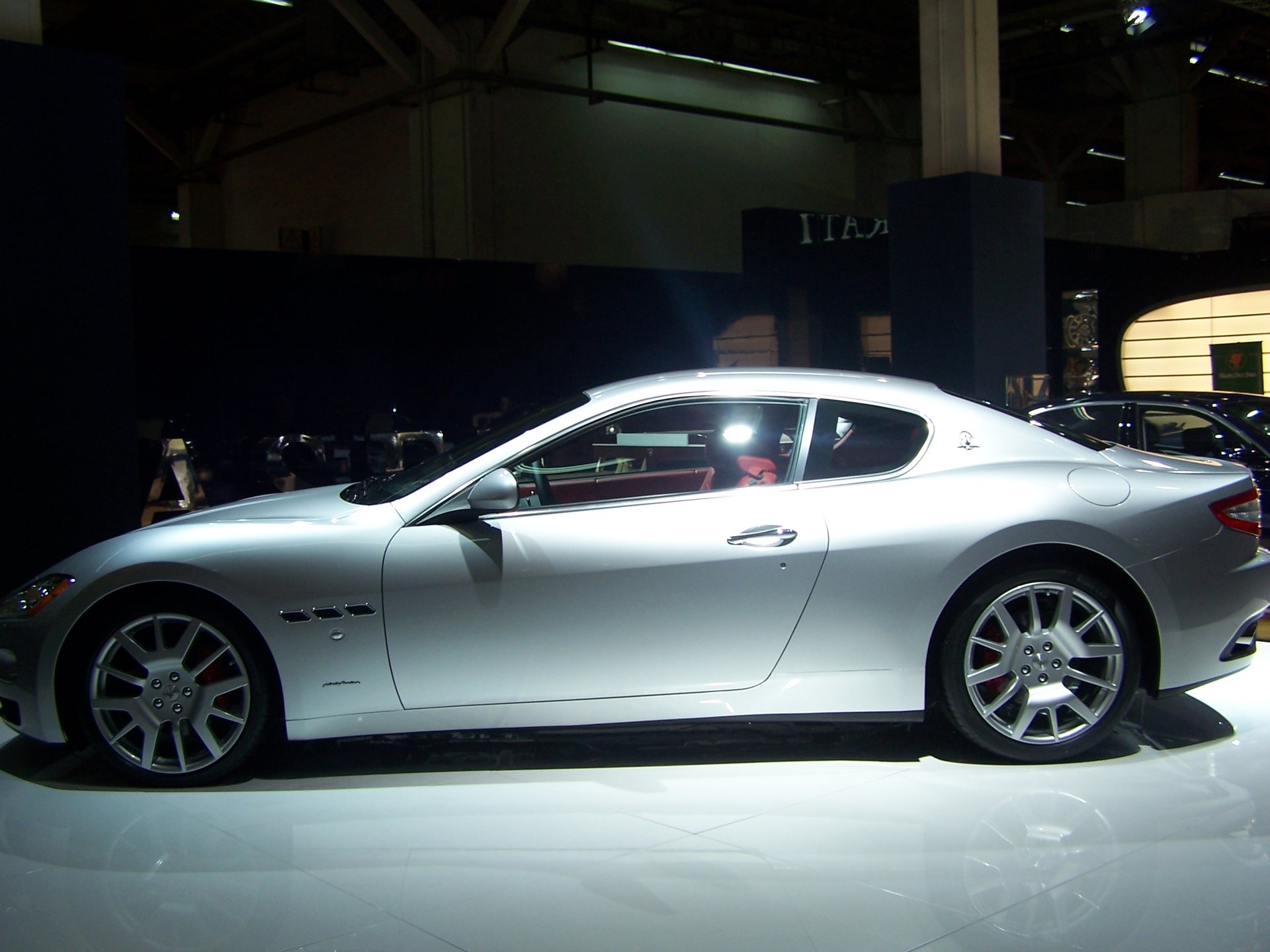

Maserati revealed the Pininfarina-styled GranTurismo at Geneva in 2007. The launch car paired a 4.2-litre V8 rated at 405 HP with a conventional automatic transmission and four usable seats. Its long wheelbase and 49:51 stated weight distribution supported the brief: a sporting coupé intended for real journeys rather than a stripped two-seater.
The model then developed in two mechanical directions. The 2008 GranTurismo S introduced a 4.7-litre, 440 HP V8 and an electro-actuated MC-Shift gearbox mounted at the rear in a transaxle layout. The later S Automatic combined the 4.7 with a front-mounted ZF automatic. Similar names can therefore conceal fundamentally different transmissions, service histories and driving behaviour.
First-generation GranTurismo timeline
| Version | Introduction | Factory outline |
|---|---|---|
| GranTurismo 4.2 | 2007 | 4.2-litre V8, 405 HP, six-speed automatic, four seats |
| GranTurismo S | 2008 | 4.7-litre V8, 440 HP, rear MC-Shift electro-actuated transaxle |
| GranTurismo S Automatic | 2009 era | 4.7-litre V8, 440 HP, conventional ZF six-speed automatic |
| MC Stradale | 2010 era | More focused 4.7-litre derivative, initially 450 HP with MC-Shift; specification later evolved |
| GranTurismo Sport | 2012 | 4.7-litre V8, 460 HP; MC-Shift or MC Auto Shift/ZF according to market |
| MY18 revision | 2017/18 | Updated aerodynamics, ergonomics and infotainment; Sport and MC both use the front-mounted six-speed ZF automatic |
The generation ended with the GranTurismo Zéda in 2019. Maserati’s later retrospective records 28,805 GranTurismo coupés and 11,715 related GranCabrios for the 2007–2019 family. This page concentrates on the coupé: the convertible has different body, roof and inspection considerations.
ZF automatic and MC-Shift are not the same
The ZF unit is a torque-converter automatic mounted behind the engine. The “MC Auto Shift” wording used on some later automatic cars describes control software; it does not turn that transmission into the MC-Shift transaxle. Smooth cold and warm engagement, clean changes and documented fluid care matter, and a specialist should check the transmission heat exchanger for any sign that coolant and transmission fluid have mixed.
MC-Shift is a single-clutch automated manual at the rear. It can deliver the fast, physical changes that define the S and MC experience, but its clutch wears according to use, calibration and driving conditions. Maserati-compatible diagnostics can report clutch-related data. Ask the inspecting specialist to measure and interpret it, test engagement when cold and hot, and relate the result to invoices. There is no honest universal clutch-life number.
If an advertisement is unclear, photographs of paddles or a “Sport” badge are not enough. Decode the chassis and inspect the physical layout. Buying the wrong transmission because two labels sounded similar is an avoidable mistake.
Engine and cooling inspection
See the car from a genuine cold start. An independent Maserati specialist notes that some applicable early wet-sump engines can develop a brief but pronounced cam-variator rattle after standing. That observation does not apply equally to every engine layout or every start-up noise, so record the sound and have a specialist diagnose it rather than relying on a video comparison.
Inspect for oil leaks around the engine and beneath its covers, and verify oil level and pressure behaviour using the correct process for the exact version. Run the cooling system through a complete heat cycle and examine both engine and transmission cooling circuits. Smoke, misfires, warning messages or recently cleared fault codes require explanation supported by diagnostic evidence.
Service invoices should identify the oil and parts used, mileage and date. The schedule differs by model year and market, and time matters on a car that may spend long periods stored. A stamp without supporting work detail is less useful than a continuous specialist record.
Suspension, brakes, wheels and tyres
GranTurismo suspension specification includes fixed and electronically controlled Skyhook arrangements depending on version. Test each available mode, listen for knocks and have arms, bushes, ball joints, dampers, springs and alignment inspected on a lift. A heavy coupé can hide gradual deterioration behind compliant tyres; uneven wear or imprecise response should be investigated rather than normalised.
Record the exact brake system. Some performance versions use model-specific hardware and the MC Stradale could be equipped with carbon-ceramic discs. A specialist should assess disc condition, pad life, warning systems and evidence of track heat. Check every wheel for cracks, distortion or poor refinishing, then confirm all four tyres have the correct size, load and speed specification with sensible age and matching characteristics.
Body, cabin and electrical systems
Inspect the long nose, sills, floor and undertrays for impacts, then check panel alignment, paint depth, glass dates and lamp condition for evidence of repair. Examine door and boot seals for water entry. A clean history report does not prove the car has never had bodywork, so combine database checks with a physical inspection.
Low battery voltage can create multiple warnings on a complex, intermittently used car. Test battery condition and charging performance before interpreting a dashboard full of messages, but do not assume voltage explains every fault. Scan all modules and verify that the parking sensors, climate control, seat functions, windows, mirrors, lighting, infotainment and steering-wheel controls work repeatedly.
Sticky switches, lifting trim and worn leather are visible, but restoration quality and part availability vary. Check the headlining, rear seats and luggage area as carefully as the driver’s seat. Compare trim and equipment with the build record, especially on MC, limited-edition or highly optioned cars.
Paperwork and pre-purchase evidence
Match chassis, registration and service records, then chart mileage over time. Look for invoices covering routine servicing as well as major items: transmission work, clutch readings on MC-Shift cars, cooling-system repairs, suspension, brakes, tyres and battery replacement. Confirm outstanding recalls or service campaigns with Maserati for the chassis and market.
Modifications to exhaust, engine calibration, suspension or wheels should be declared and professionally documented. Check their legality and insurance acceptance. Maserati Classiche and the manufacturer’s historical services may help with eligible-car documentation, but neither a certificate nor a full history file replaces a mechanical inspection.
Choosing a 4.2, 4.7 automatic or MC-Shift
The 4.2 is the original, automatic-only grand tourer. A 4.7 S Automatic adds the larger engine while retaining conventional automatic manners. Earlier MC-Shift versions provide the rear-transaxle, single-clutch experience and demand a purchase decision informed by diagnostic clutch data. For MY18, both the Sport and MC use the front-mounted six-speed ZF automatic; the later MC trim should not be confused with an earlier MC-Shift car. Condition still outranks nominal hierarchy.
Prepare with our classic Italian car inspection checklist. If the automated transaxle appeals, read the related Maserati GranSport Cambiocorsa ownership guide for earlier-system context, while remembering that specifications and diagnostics are not interchangeable. Commission an independent Maserati specialist for the actual car.
Sources and further reading
- Maserati, 2007 GranTurismo launch material.
- Maserati, GranTurismo S introduction.
- Maserati, 2012 GranTurismo Sport introduction.
- Maserati, MY18 GranTurismo and GranCabrio — Sport and MC range structure and six-speed ZF automatic.
- Maserati, GranTurismo and GranCabrio production retrospective — MY18 and production totals.
- Foreign Automotive, GranTurismo specialist problem guide — independent inspection context.
- Maserati Classiche — manufacturer heritage services.
Sources accessed 19 August 2026. Transmission, seating, brake and engine specifications vary by year and market; verify the chassis-specific build.